
New analysis from the North West London Networked Data Lab explores patients’ and residents’ experience of waiting lists across the region, and why what happens while people wait really matters.
How long people wait for NHS care, and what happens while they’re waiting, remains one of the biggest challenges facing health systems nationally and locally.
As part of the North West London Networked Data Lab, Imperial College Health Partners, alongside the Institute for Global Health Innovation and North West London Integrated Care Board (now the West and North London ICB) leads advanced analysis of linked health data for North West London, working with NHS partners to explore complex system questions using real‑world evidence.
The lab’s latest analysis focuses on elective care waiting lists, looking beyond headline waiting times to understand who is waiting, what they are waiting for, and how waiting affects both people and the wider health system.
Using linked primary and secondary care data, the report examines variation across specialties and population groups, and explores patterns of healthcare use while people wait for treatment. Alongside the data, patient perspectives help bring to life what waiting means in practice, and why supporting people to wait well matters.
Key findings:
- Large numbers of people wait beyond national targets
Around one in three completed elective pathways (32.8%) exceeded the 18‑week standard, with 12% waiting more than 36 weeks and nearly 4% waiting over a year for treatment.
- Waiting times vary significantly by specialty
Some specialties, including neurological and surgical pathways, show longer median waits and lower proportions treated within 18-weeks, highlighting that experiences of waiting are not uniform across the system.
- Demographic differences persist, even at a system level
Younger adults and people living in more deprived areas tend to experience longer median waits overall, while older and more clinically complex patients are more likely to be prioritised sooner, reflecting how clinical need shapes access but does not eliminate inequality.
- Waiting is an active period of healthcare use
People continue to use NHS services while waiting, including GP appointments, A&E attendances and hospital admissions, demonstrating that waiting lists have ongoing implications for system demand, not just elective capacity.
- Long waits may have lasting effects beyond treatment
For some procedures, particularly hip replacements, longer waits are associated with changes in healthcare use after surgery, suggesting that extended waiting periods may create longer‑term impacts for both patients and the system.
- Patient perspectives emphasise the human cost of waiting
Insights from patients and carers show that long waits take a physical, emotional and social toll, reinforcing the importance of clearer communication, reassurance and practical support to help people wait well.
Findings from this analysis in NWL have contributed to a national report by The Health Foundation briefing on elective care waiting lists, demonstrating how locally grounded data can shape understanding and policy discussions at a national level. This work forms part of the wider Networked Data Lab partnership led by The Health Foundation, which brings together regional labs across the country to address shared challenges through linked data.
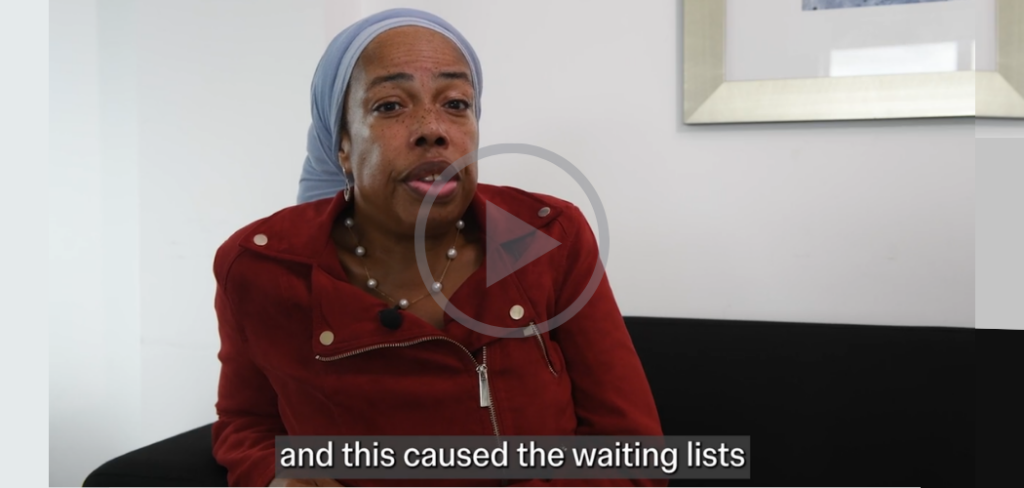
Together, the report and accompanying video (below) provide evidence to support more informed discussions about elective care recovery and how health systems can better support people while they wait.
Watch the video
Want to find out more about the NWL Networked Data Lab? Get in touch.