
What six years of research partnership looks like in practice: The best research partnerships are built on shared curiosity: a genuine desire to understand more, together, than any single organisation could discover alone. Over six years, the North West London Networked Data Lab brought together three organisations, 38 contributors, and the voices of patients and residents across our region to do exactly that. It has been recognised nationally, winning the Royal Statistical Society’s Florence Nightingale Award for Excellence in Health and Care Analytics 2026.

A partnership built to go further
The North West London (NWL) Networked Data Lab (NDL) was part of a national programme funded by The Health Foundation, bringing together the country’s leading analytical teams to generate independent evidence on the health challenges that matter most to communities. Being part of that network was a recognition of NWL’s collective analytical ambition, and a chance to bring that ambition to bear questions that deserved more rigorous, sustained attention.
In NWL, the programme was built on a partnership of three organisations: ICHP, Imperial College London’s Institute of Global Health Innovation (IGHI), and the ICB. Each brought something the others needed. ICHP provided programme leadership and analytical grounding. Imperial College London brought academic research expertise in both qualitative and quantitative disciplines. The ICB contributed system knowledge and the connections to ensure findings could reach decision-makers.
Research that reflected what communities care about
What a programme chooses to investigate reveals what it values. The NWL NDL consistently chose topics that were significant to the communities living with the challenges being studied, and where a rigorous evidence base could genuinely improve how the system responded.
Unpaid carers were one such focus. The millions of people who provide care to family members or friends, often without pay are one of the health system’s most important and least visible resources. The NDL’s research gave both NWL and national audiences a clearer, more evidence-based picture of this group: their health needs, the pressures they carry, and the opportunities to support them better.
An approach that put patients at the centre
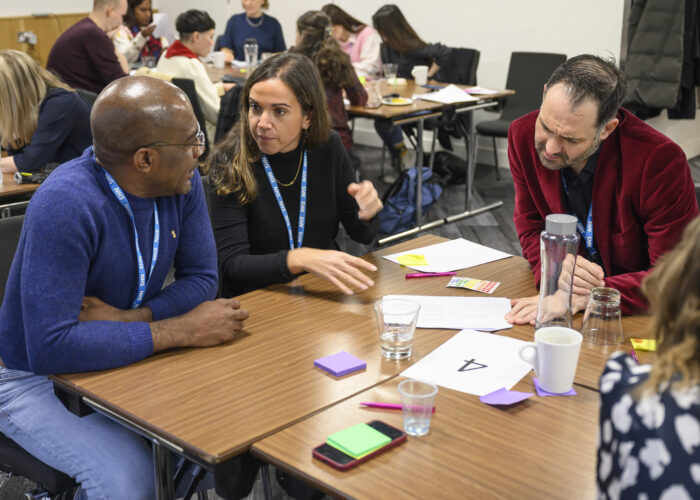
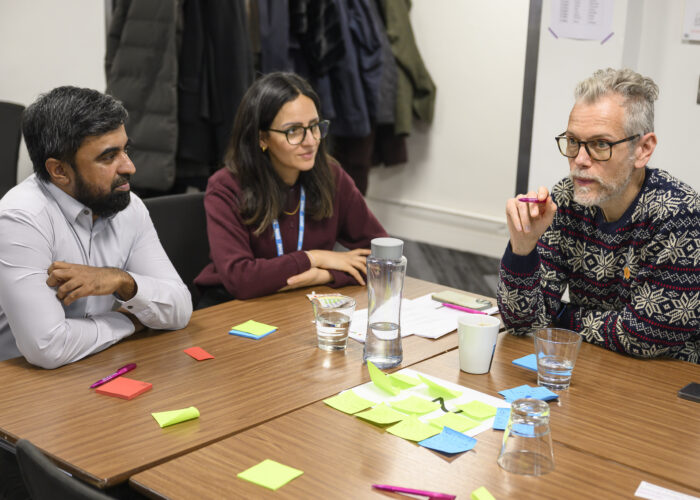
One of the things the NWL NDL was most committed to was genuine Patient and Public Involvement and Engagement (PPIE) throughout the research process. For every topic the programme worked on, a patient representative group was established at the outset and involved throughout, not consulted at the end of a process that had already reached its conclusions, but as active contributors to the questions being asked and the way findings were interpreted.
“Our public partners have worked with us every step of the way, reminding us of the real people behind the numbers we analyse. Their insights have ensured our research addresses what matters most to patients, and their impact is a testament to the value of public involvement within data analytics.”
Jodie Chan, Public Involvement Officer, Imperial College London
Through this approach to PPIE, the NDL developed a genuinely integrated approach to qualitative and quantitative evidence. Rather than treating these as separate streams, the programme brought them together throughout: the lived experience of patients and communities shaped what data analysis was asked to answer, and data findings were understood in light of that lived experience. The result was research that was both analytically rigorous and deeply grounded in the realities it was describing.
Looking ahead
The NDL programme has formally closed this year, and the housing and health report – now published – is its final major output. But the collaborative spirit that sustained it, and the Learning and sharing phase model of research partnership it demonstrated, continue to shape how ICHP works with system partners across NWL.
The Health Foundation has funded a learning and sharing phase so the key lessons from the Networked Data Lab can be shared nationally.