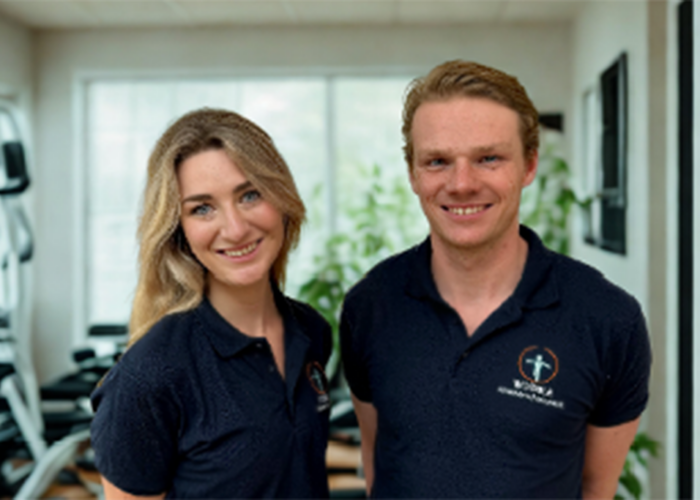

Lucie Wellington, Innovation Manager at ICHP, reflects on how we’re connecting innovators with solutions that address real system need in our patch with the NHS, to improve outcomes, reduce inefficiencies and increase productivity in North West London (NWL).
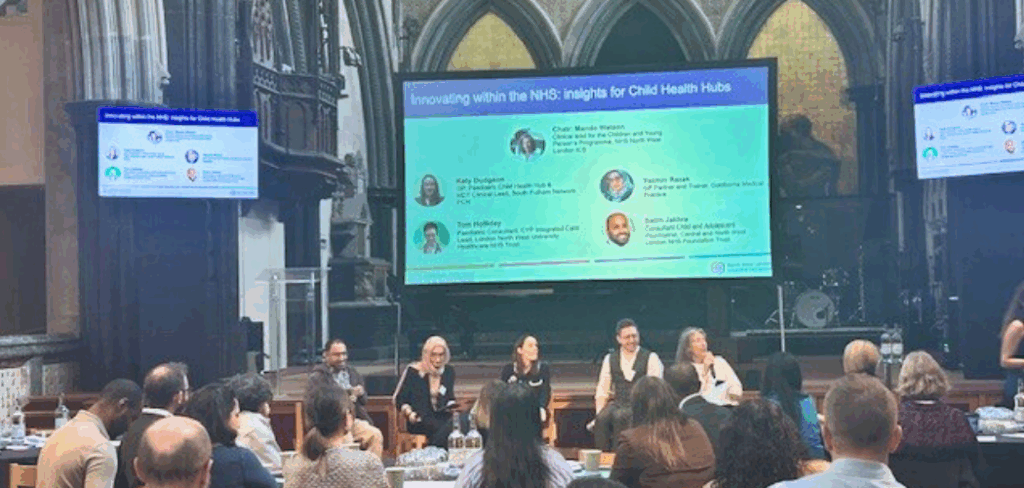
Earlier this year, Imperial College Health Partners (ICHP) hosted a series of Innovation Forums designed to do something that sounds simple: bring the right people into the right room to talk about the right problems. Those rooms, three to be precise, were anything but simple. They were filled with clinicians, local authorities, social care leads, industry innovators, voluntary sector partners, academia, and people with lived experience. I was privileged to help organise two of the three forums alongside a talented team at ICHP and NWL Integrated Care Board (ICB).
Each forum focused on one of our three NWL Missions for research andiInnovation, Optimising care of Cardiovascular Disease, Enabling more days at home, and Supporting children and young peoples’ mental health. These mission areas, as defined by the NWL ICB, are vital to addressing health inequalities and improving population health outcomes in a system as complex and diverse as ours.
Reflecting on these events as a team, we’ve collated our learnings to offer practical insight into how to design and deliver innovation forum-style events that create genuine connection between the NHS, local authorities, social care, community organisations, academia, and industry all as equal partners. At the centre of this is a bigger ambition: to support a more meaningful and mission-driven approach to innovation, where solutions are grounded in system and resident needs, partnerships are built on trust and shared purpose, and innovations lead to meaningful and measurable impact.
Mission-led engagement works
The mission-led framing drove the conversation. It allowed us to stay focused on real-world problems and helped ensure that the innovations we spotlighted were clearly aligned with system needs. Mental health particularly benefited from this approach – despite its fragmentation as a speciality, we saw clinicians energised and excited when encountering solutions that spoke directly to the challenges they face every day. Through these interactions it was shown that when system colleagues are given the opportunity (including the capacity) to discover innovation within their specialties, then they are keen to actively engage.
What became clear is that the mission approach created a shared language, one that could cut across sector boundaries and ground the discussions in a collective “why”. It wasn’t just about technology for technology’s sake. The innovations showcased were specific, targeted and relevant. In some cases, they were already embedded in parts of the system, which made them even more compelling to stakeholders.
Relationships matter
Perhaps the biggest takeaway for me personally, was the importance of relationships, not just between system partners, but between innovators and clinical leaders. Our Clinical Innovation Fellows, who hold clinical roles within the NW London system and also support system wide innovation in their role at ICHP, played a crucial role in this, helping to guide conversations and build bridges. They were key in making sure both sides could speak each other’s language. This ensured quality relationships were built, grounded in mutual understanding, not just fleeting conversations.
We also saw how powerful it is when patients and clinicians introduced innovations on the day – it reframed the conversation around why we are doing innovation in the first place. Those moments, where patients and clinicians shared how a product impacted their life or their patients’ lives, were some of the most moving and motivating parts of the forums.
Marketplace over pitches
The marketplace format, where attendees could move around, try out innovations and ask questions directly, brought the forums to life. Giving people freedom to choose which innovators to engage with made the experience feel more dynamic, and frankly, more human. We found that less pitch time and more space for real conversation worked far better. It’s something we’ll definitely build on going forward. A key success across the three forums was the innovator–delegate matchmaking system, which facilitated 114 targeted connections between innovators and NHS stakeholders. These matches were grounded in shared interests and aligned with the NW London Missions, with 17 industry and innovator representatives and 8 patient and lived experience partners taking part. Early feedback suggests that many of these connections have led to meaningful follow-ups, including one project now at the point of implementation planning, highlighting the potential of structured matchmaking to accelerate collaboration and impact.
This structure provided novel opportunity for innovator partners too, bringing them into discussions as an equal partner. A focus on relationship building led to limiting the pressure of a hard sell and giving exposure to a market which is willingly sharing what the challenges and opportunities are in our pathways.
But we still have work to do
No blog like this would be honest without having the courage to acknowledge what could be better. Some innovators weren’t able to get the full benefit of the forum due to a combination of tight preparation timelines and briefing sessions that could have better highlighted the opportunities available to them. Others, understandably leaning into their strengths, focused heavily on pitching rather than co-creating. To make future forums more impactful for everyone involved, we need to position innovators earlier and more clearly as co-creators in the process. This means offering more tailored guidance, clearer communication, and opportunities to shape the forum content collaboratively. By doing so, we can create a shared sense of purpose and unlock greater value, not just on the day, but for the wider innovation ecosystem.
We also recognised a missed opportunity to keep playing our role as the “system navigator” for attendees and innovators after the events, a role we aim to hold as the designated NW London Health Innovation Network. Any effective innovation broker must be clearer about follow-up processes and stay better connected to the conversations that continue after the forums. Keeping ourselves in the loop can help ensure momentum isn’t lost and that innovators and system partners stay aligned on shared goals.
What the system can learn
So what does all this tell us? For me, three system-wide learnings stand out:
- A mission-based approach gives innovation meaning
It grounds ideas in real need, fosters alignment across stakeholders, and helps avoid blanket-fix mentality.
- Relationships need to be nurtured way before the day of the event
Bringing stakeholders in earlier, guiding them through the lead up to the event, and treating system stakeholders and innovators as equal partners leads to better outcomes.
- Clinical and lived experience voices are key
Whether it’s a clinician helping an innovator understand workflow challenges, or a patient bringing a product to life through their story, these perspectives anchor innovation in reality.
As we continue working towards our Mission goals, I see more and more that change doesn’t come from brilliant ideas alone. Innovation Forums are one key part of Missions that enables system-wide collaboration to lead to real impact. It’s not just about having the right ideas, it’s about having the right people in the room to turn them into action.
Get in touch or find out more:
If you’re an innovator that’s interested in how we can work together, please get in touch!