
Dr Julia Jones, Founder of Holidity, and Oke Eleazu, Chair of Holidity, explain how R&D into behaviour change led to a simple approach: combining daily human support with WhatsApp to help people build healthier habits. They also reflect on how support from Imperial College Health Partners has helped them better understand NHS needs and opportunities.
“Most people don’t need more information. They need the right support at the right time to help new behaviours stick.”
What inspired Holidity?
Dr Julia Jones, a London-based Welsh neuroscientist, began exploring why health habit programmes struggle to create lasting behaviour change after questioning why growing numbers of diet, fitness and wellbeing programmes have not translated into improved population health outcomes.
The question was also personal. Julia lost both parents suddenly to preventable, lifestyle-linked illness and wanted to understand why existing approaches were often failing to deliver lasting results. In 2019, after raising investment and launching Neuron Wellness, trading as Holidity, she initiated research and development work to investigate the issue further.
“It troubled me that as a sector, we’re continuing to use flawed coaching models and digital health apps that most people drop out of long before their brain has had a chance to biologically embed a behaviour that will last forever.”
Dr Julia Jones, Founder of Holidity
What is Holidity?
Holidity is a platform designed to support behaviour-change programmes through combining scalable daily human accountability with a technology platform and WhatsApp delivery.
This was based on Holidity’s R&D which repeatedly identified the same pattern: many people struggle to maintain new behaviours without regular human support, particularly during the first month of a behaviour-change programme. The R&D (pending publication) suggested that daily accountability from another person consistently outperformed technology-led reminders alone.
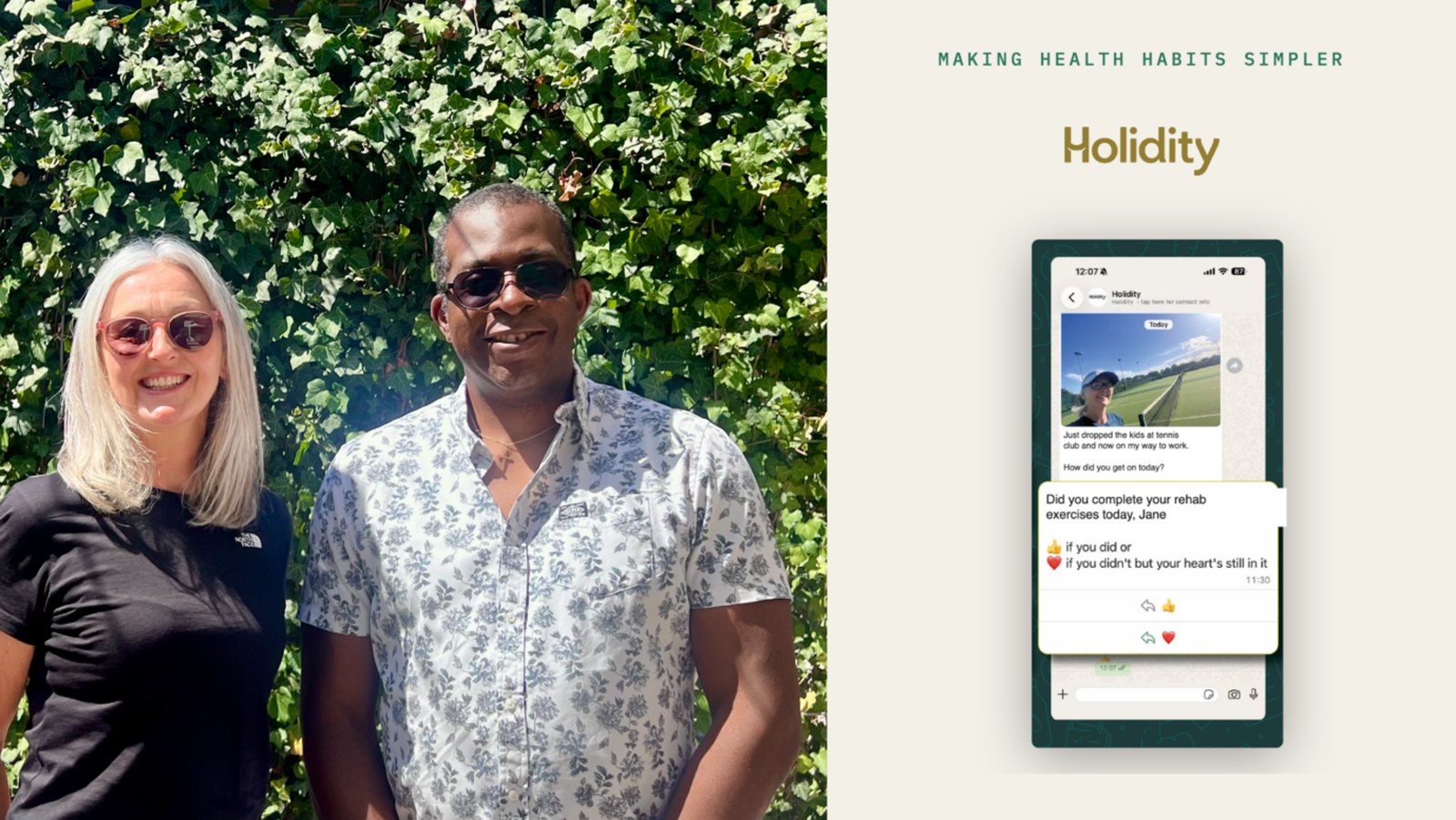
The Holidity platform delivers this vital daily human accountability through personalised daily messages from a human accountability partner sent privately to participants through WhatsApp. It then records their responses using a simple emoji-based check-in system. Participants receive a weekly check-in score, while programme leaders can monitor progress and tailor engagement through a dashboard.
Alongside WhatsApp delivery, the platform generates AI-powered insights designed to help coaches and programme managers understand participant engagement and improve programme performance. The participant experience itself remains focused on human interaction through WhatsApp.
Growing adoption and future directions
Historically, delivering this level of human support at scale has been difficult and costly. Holidity reports that organisations across the health and fitness sectors are now adopting this daily human check-in model. This approach has allowed programmes ranging from weight loss to smoking cessation and mental health coaching to boost engagement and success.
According to the team, the model requires approximately two minutes of coach or practitioner time per day regardless of the number of participants they are supporting; this has reportedly produced higher retention rates than digital health apps while achieving outcomes comparable to in-person programmes.
As part of the company’s development, Oke Eleazu, Chair of Royal Berkshire NHS Foundation Trust, joined Holidity’s board as Chair. On the role of Holidity and other preventative health technologies in delivering on NHS priorities, Oke writes:
“Preventative health isn’t a peripheral concern for the NHS anymore, it’s central to whether the system is sustainable at all. We are speaking with colleagues in prehab, weight loss programmes and employee wellbeing where we think this daily check-in model could easily add value and help individuals make progress.”
Oke Eleazu, Chair of Holidity
How ICHP supported Holidity’s journey
ICHP has supported Holidity through provision of one-to-one advice and access to webinars and in-person events, helping the team gain a better understanding of NHS processes and priorities. This has helped Holidity refine its NHS value proposition.
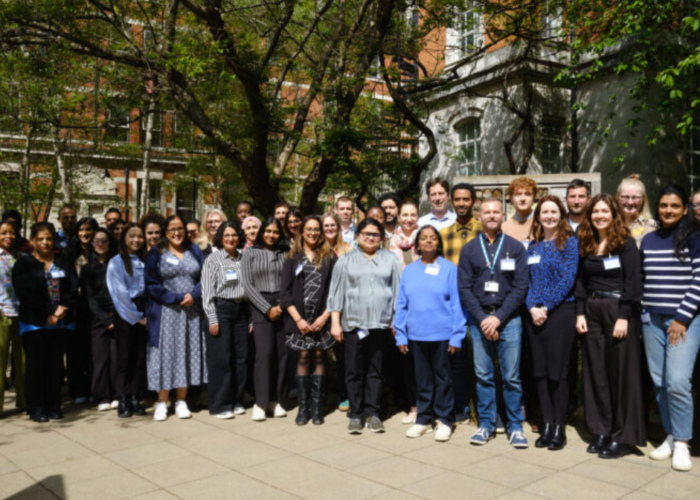
Holidity was also selected as one of eight companies to present at ICHP’s Innovation Forum in London in April 2026, focusing on innovations that could support North West London’s cardiovascular, renal and metabolic (CVRM) mission. This provided an opportunity to demonstrate the solution to approximately 100 NHS stakeholders and gather further feedback from health professionals interested in piloting the solution within programmes that could benefit from behaviour change support. Following on from this, conversations with health professionals ranging from stroke rehabilitation to community pharmacy are being revisited now that the platform is live. Holidity hopes this article will help move those conversations forward.
“Healthy habits are easy to prescribe, but much harder to build into everyday life. Working with Holidity, we saw an opportunity to bridge that gap, particularly for people who struggle with motivation and consistency.”
Dr Olivia Pang, Senior Innovation Advisor at ICHP
Find out more
- Organisation: Holidity
- Founder: Dr Julia Jones
- Focus area: Behaviour change and preventative health
- Technology: WhatsApp-enabled accountability platform
- Stage: Commercially available solution
For more information, visit Holidity.com or contact habits@holidity.com. Detailed reports regarding pilots can be shared with third parties upon request; please contact Dr Jones directly. The company can be procured through the Government Commercial Agency Framework (RM6098 – Technology Products and Associated Services).